The Computer Port blog.
Practical insights, guides, and updates from the team building enterprise infrastructure.
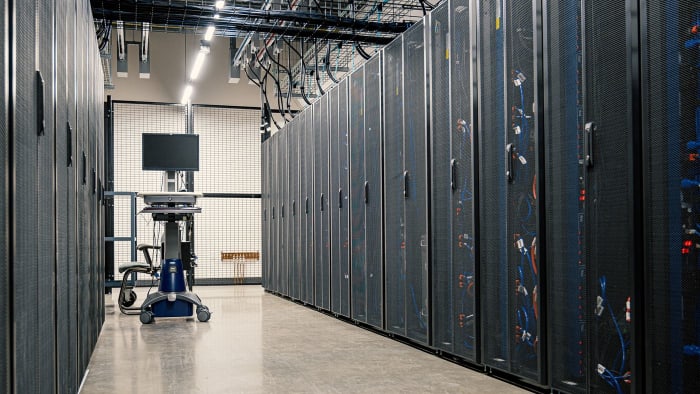
AI Factories Need More Than GPUs: Proxmox VE Meets NVIDIA Mission Control
Proxmox VE is being positioned beneath NVIDIA Mission Control as the highly available virtualization layer for AI-factory management services.
What the University of Dhaka's Proxmox Migration Gets Right
A 45,000-student Proxmox case shows why pilot design, network separation, backup replication and operating ownership matter before migration.

Temporary Vendor Access Is Rarely Temporary: A Practical Control Checklist
A vendor account created for one support ticket can remain active for months. Use this practical checklist to define identity, scope, MFA, expiry and evidence.

Thousands of VMs on Proxmox: What Squark's VMware Exit Shows
Squark's Proxmox platform handles thousands of VMs across several regions. The useful lesson is how repeatable migration and operating decisions scale.
Proxmox Datacenter Manager 1.1: What Changes Beyond One Cluster
PDM 1.1 adds automated host installation, subscription handling, Ceph monitoring and expanded guest management. Here is what that means for multi-cluster operations.

What T-Mobile's VMware Dispute Teaches About Exit Readiness
T-Mobile's public VMware dispute shows why large platform exits need inventory, support runway, recovery evidence, application testing and controlled migration waves before commercial pressure sets the schedule.
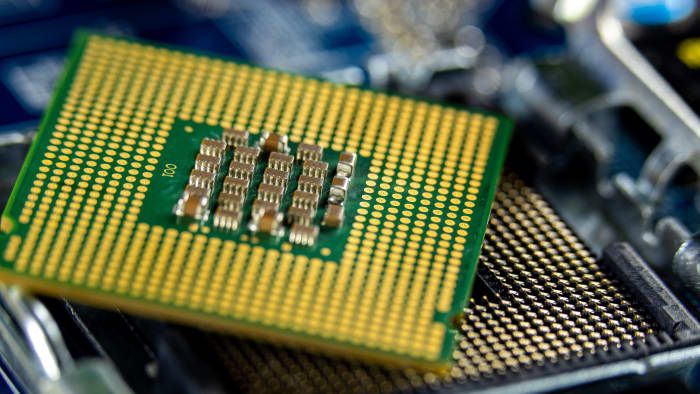
VMware ESX 9 Drops Xeon E5 v4: What Infrastructure Teams Should Assess Now
If your VMware hosts use Intel Xeon E5 v4, VMware ESX 9 is not a supported upgrade path. The same server may still be suitable for Proxmox VE 9 after validation.
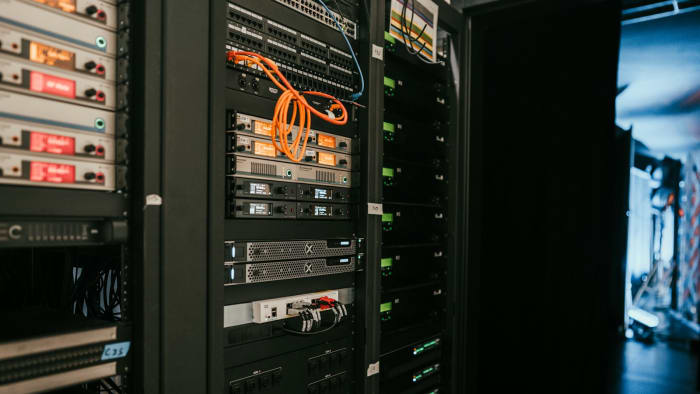
Proxmox Works Best When It Is Designed As A Stack
Proxmox is not only a hypervisor decision. Production infrastructure needs backup, storage, networking, access, monitoring and operations planned as one stack.
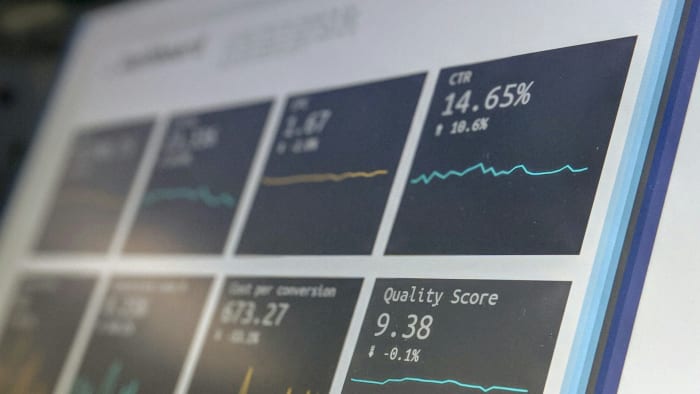
Managed IT Operations Should Produce Monthly Evidence
Managed IT support should not be invisible. ControlIT helps Computer Port turn endpoint activity, alerts, patches, backup review and recurring issues into monthly evidence.