Manufacturing IT Cannot Run On Guesswork
Manufacturing IT changes affect ERP, shop-floor systems, backup, identity, endpoints and support ownership. Controlled infrastructure roadmaps reduce guesswork across production environments.
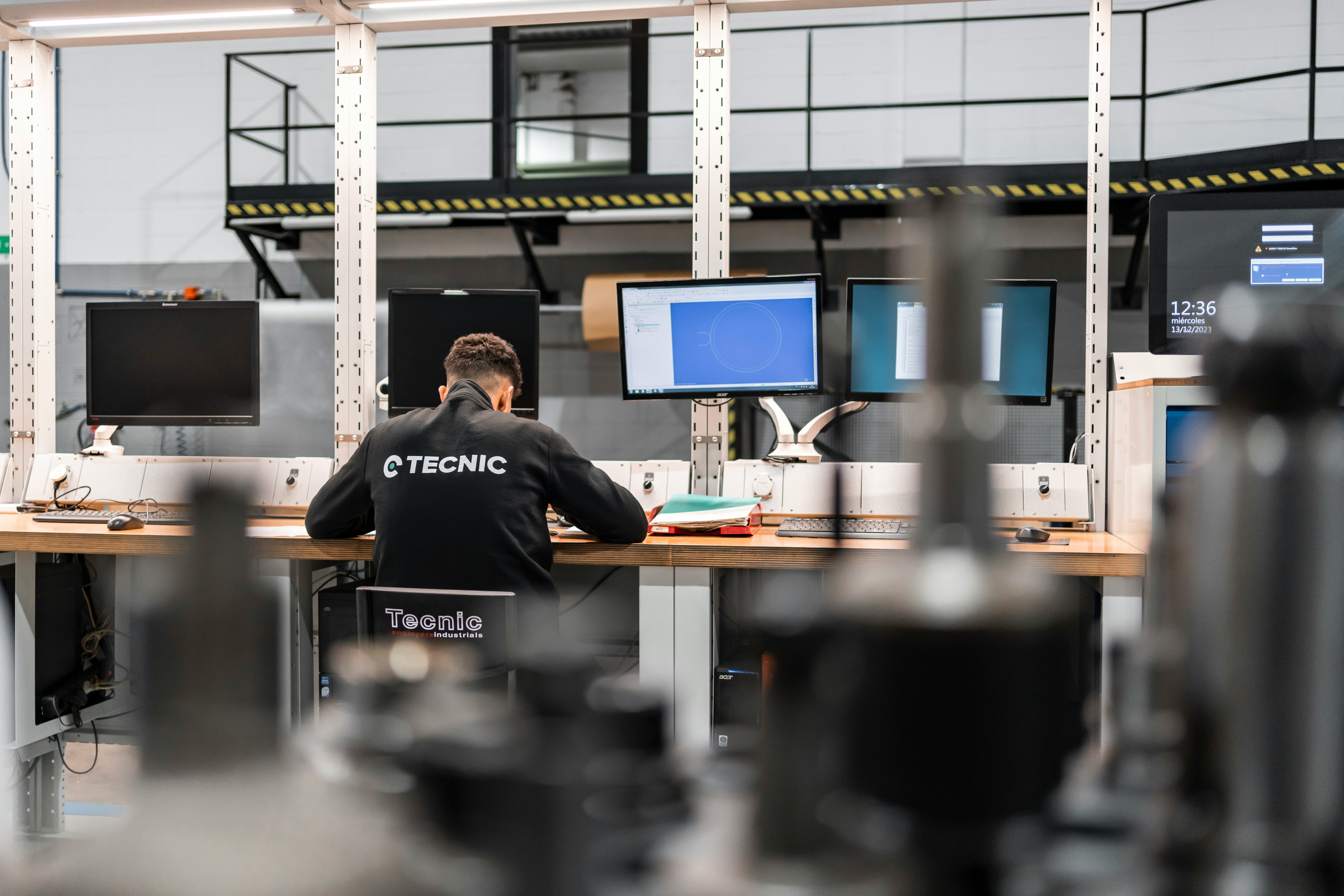
A plant plans what first looks like a server change.
One application needs to move. A support contract is ending. A virtualization host is due for refresh. The team starts by checking compute, storage and the migration window.
Then the dependencies appear.
The ERP system depends on a reporting database. Shop-floor systems depend on a file share. Quality workflows depend on old credentials and mapped drives. Backup windows are tied to production shifts. Remote support depends on local admin habits. Endpoint patching is different across departments. Branch users raise tickets through a support path nobody has formally documented.
That is the point where manufacturing IT stops looking like a server project.
It becomes a production continuity question.
In manufacturing, infrastructure is not backstage. It is part of how production, quality, dispatch and support stay coordinated every day.
Manufacturing IT Has More Dependencies Than It Looks
Manufacturing IT infrastructure rarely supports one clean workflow. It usually supports many connected workflows that grew over time.
ERP infrastructure connects purchase, planning, production, inventory, finance and dispatch. Shop floor systems may depend on local services, shared folders, database access, barcode stations, label printers, weighing systems or middleware that only a few people fully understand. Quality workflows may rely on files, reports, instruments and approvals that sit outside the main ERP screen but still matter to production.
Then there is the supporting layer: Active Directory, Entra, Linux accounts, VPN access, file services, backup jobs, endpoint patching, email, branch connectivity, local admin access, remote support tools and reporting databases.
A platform decision that ignores these dependencies can look fine in an architecture diagram but fail in daily operations. Manufacturing IT support has to consider what happens during shift changes, planned maintenance windows, dispatch pressure, audit requests and urgent support calls from the plant floor.
Why Guesswork Creates Operational Risk
Guesswork usually enters quietly. Nobody intends to take risk. Teams are often moving quickly, working around old documentation, inherited systems and production pressure.
The common risk points are practical:
- undocumented dependencies between ERP, databases, file shares and shop-floor applications
- backup jobs marked successful without recent restore testing
- systems assumed to be protected but not verified
- local admin habits that bypass proper identity management
- patch drift across operator PCs, engineering systems and branch endpoints
- unclear support ownership between internal IT, vendors and remote teams
- weak visibility into plant and branch endpoints
- remote access paths opened for convenience and never reviewed properly
- change plans that cover servers but not users, shifts and support workflows
This is why manufacturing infrastructure changes need more than a migration checklist. They need a controlled runway that shows what exists, what depends on what, who owns support, what can be restored and how access is approved.
What A Controlled Infrastructure Runway Should Cover
Before a platform change, support change, infrastructure refresh or modernization effort, IT leaders should ask for a practical runway. Not a 60-page theoretical document. A working view of the systems that keep production moving.
A good runway should cover:
- virtualization and server health
- backup and restore testing
- ERP and shop-floor dependency mapping
- identity and access control
- endpoint and patch visibility
- secure remote access for approved support teams
- mail and communication continuity
- storage resilience
- monitoring and alert triage
- branch and plant support
- documentation and monthly review
For example, if a team is considering Proxmox for manufacturing, the discussion should not stop at hypervisor replacement. It should include where the VMs run, how storage is designed, how Proxmox Backup Server will protect workloads, when restore tests are performed, how administrators authenticate, how vendors reach approved internal systems and how endpoint visibility is handled after the change.
This also applies when the organization is not migrating platforms. Server consolidation, disaster recovery planning, storage refresh, ERP upgrades, support outsourcing and plant expansion all expose the same hidden infrastructure questions.
Where Computer Port Helps
Computer Port IT Solutions works with manufacturing and operations-heavy organizations that need infrastructure to be designed, operated and reviewed with discipline.
Our work covers virtualization design, Proxmox planning, Proxmox Backup Server workflows, storage choices, backup and restore testing, identity management, secure access and managed infrastructure operations. The goal is to make infrastructure decisions visible enough for IT leaders and practical enough for administrators who handle daily support.
ControlIT helps bring endpoint visibility, remote support, patch oversight, automation and reporting into one operating model. For distributed plants, branch offices and support teams, this matters because endpoint operations often become the place where infrastructure planning succeeds or fails.
Identity management is another key layer. Active Directory, Entra, Linux identity, SSO, MFA and role-based access should be designed around how administrators, vendors, users and support teams actually work. In manufacturing environments, uncontrolled identity sprawl creates support friction and security exposure at the same time.
Mail infrastructure also matters. Procurement, dispatch, finance, vendor coordination and support approvals often depend on email continuity. Migration or infrastructure change plans should include mail discovery, archive control, continuity planning and ownership.
Managed IT Operations ties these pieces together through documentation, monitoring review, backup review, patch review, ticket visibility and monthly evidence reporting where appropriate. This gives leadership a clearer view of what is being maintained instead of relying only on verbal updates.
The goal is not change for the sake of change.
The goal is clearer ownership, tested recovery, controlled access and infrastructure that supports production every day.
Discuss your manufacturing infrastructure requirements: https://computerport.in/contact