VMware Renewals Got Expensive. Here Is How Teams Are Responding
VMware renewal pressure has turned virtualization into a business decision. Teams are reviewing cost, support, backup and Proxmox suitability together.
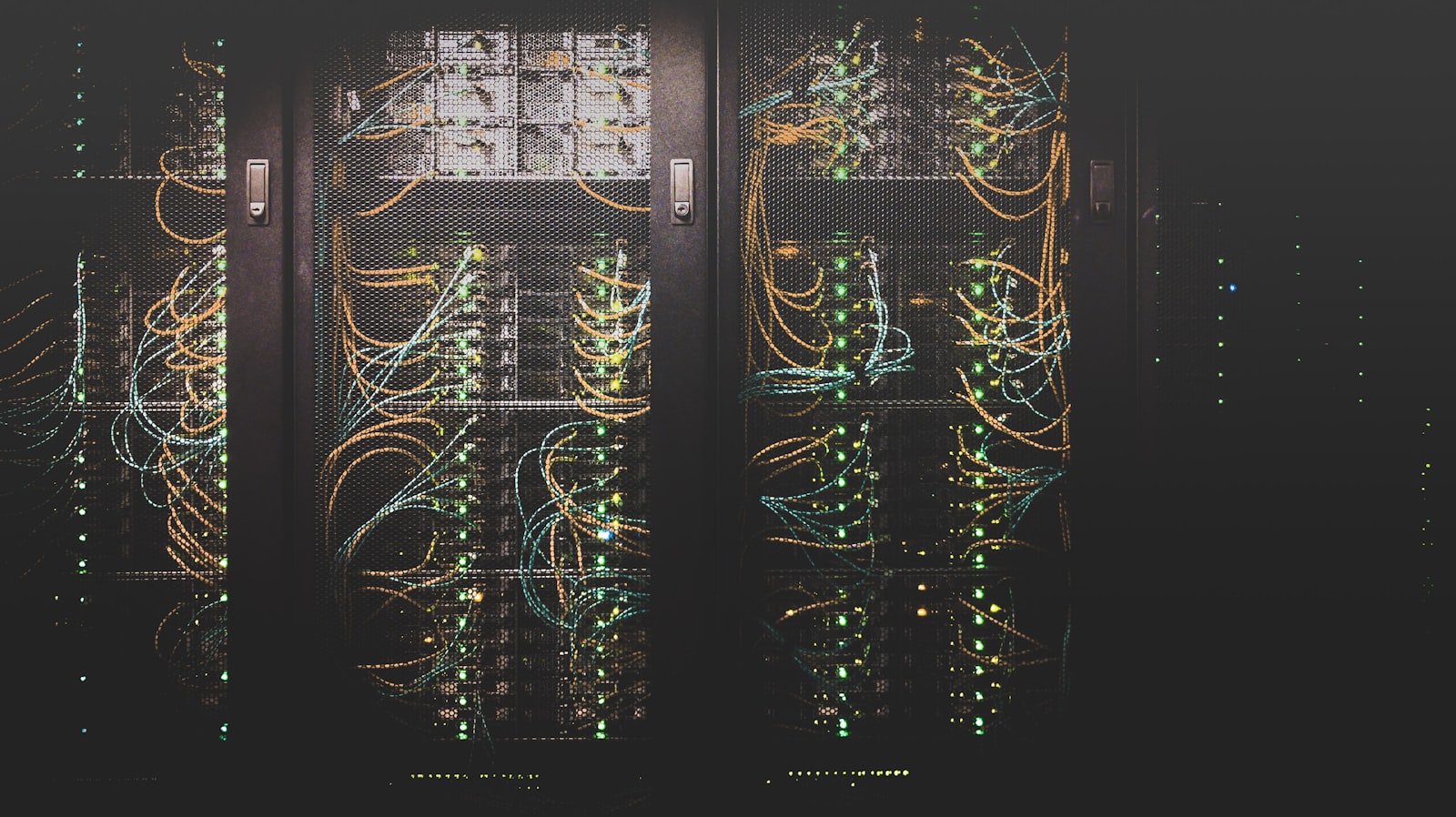
VMware renewals moved virtualization from IT budget line to boardroom question. Smart teams are responding with assessment, not panic.
The quote changed the conversation
Most teams did not plan to leave VMware. They opened a renewal quote, saw the new commercial reality, and suddenly virtualization became a board-level infrastructure question.
For many mid-market estates, the decision is no longer "does VMware work?" It does. The question is whether the cost, support path and operating model still make sense.
The three responses we see
- Stay and optimize. Reduce footprint, retire unused VMs and negotiate where possible.
- Split the estate. Keep VMware for workloads that need it, move suitable workloads elsewhere.
- Plan a full exit. Build a Proxmox path with pilot waves, backup redesign and support handover.
None of these should be chosen in panic.
Why Proxmox enters the room
Proxmox VE gives teams a serious virtualization platform without VMware's per-core subscription pressure. It supports clustering, high availability, live migration, ZFS and Ceph options, and works naturally with Proxmox Backup Server.
That does not mean every VM should move tomorrow. It means the renewal is now a decision, not a default.
Before signing or switching
| Check | Why it matters |
|---|---|
| Host/core count | Shows commercial exposure |
| VM risk tiers | Controls migration order |
| Backup status | Protects rollback and recovery |
| Storage design | Decides cluster architecture |
| Team skills | Decides support model |
Computer Port helps organizations compare the cost of staying with VMware against the cost and risk of moving suitable workloads to Proxmox. The strongest migrations are not rushed. They are mapped, tested and then operated with evidence.
Computer Port helps teams compare VMware, Proxmox and migration paths with cost, support and recovery in the same discussion.
Start here: VMware to Proxmox.