Secure Remote Access Without Opening The Network
Remote access should be designed as a security and operations decision, not only a quick way into internal systems.
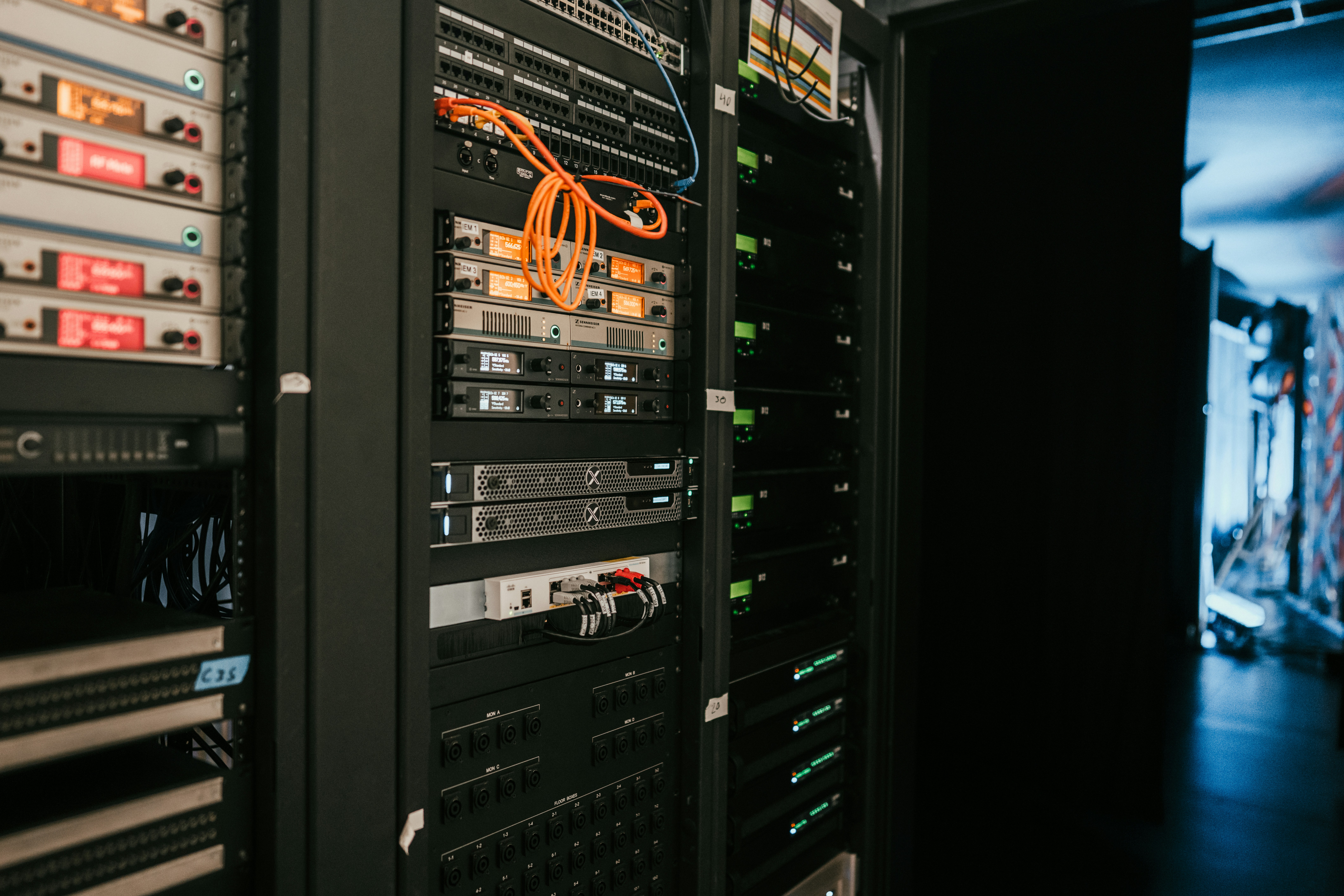
Remote access is often introduced as a convenience feature. Someone needs to reach a server after office hours. A technician needs to support a branch. A vendor needs temporary access to an internal application. The immediate question becomes: how do we connect them quickly?
That is understandable, but it is also where many infrastructure teams create long-term exposure.
Secure remote access should not be treated as a shortcut into the network. It should be designed as an operating model: who can connect, what they can reach, how identity is checked, how sessions are reviewed, and how support teams keep access useful without making the internal network broadly reachable.
For distributed businesses, this is no longer optional. Factories, branches, warehouses, offices, field teams and support vendors all need access at different times. The problem is not remote access itself. The problem is remote access that grows without structure.
Why public exposure becomes expensive later
The fastest remote access setup is not always the safest one to operate.
Public RDP, open SSH, broad firewall rules and always-on VPN access may solve an urgent ticket, but they also create new questions:
- Which systems are reachable from outside?
- Which users can reach them?
- Are contractors using the same path as internal admins?
- Is MFA enforced before access is granted?
- Can IT see who connected, when and to what?
- Does access stop when the support requirement ends?
When these questions are unclear, remote access becomes a hidden infrastructure risk. It also becomes harder to support. Every exception creates another dependency for the IT team to remember.
VPN access is useful, but not always enough
VPNs still have a place. For many organizations, VPN remains part of the access design. The issue is broad dependence on VPN as the only answer.
A VPN often gives users a route into the network first, then relies on other controls to limit what happens next. If routing, firewall policy, identity groups and endpoint controls are not maintained carefully, access can become wider than intended.
That is why remote access design should start with the target workflow, not only the tunnel.
Good remote access answers a narrow question: who needs to reach which system, for what reason, under what controls?
For infrastructure teams, that usually means access to RDP, SSH, internal web apps, admin panels, jump hosts, backup consoles, monitoring tools and support endpoints. Each path should be deliberate.
What secure remote access should include
A practical access model needs more than encrypted connectivity. Encryption protects traffic in motion. It does not decide whether access is appropriate.
A stronger design usually includes:
- identity checks before access is allowed
- MFA for privileged or sensitive workflows
- limited reachability to approved systems
- no unnecessary public port exposure
- technician visibility during support sessions
- logs that show who accessed what
- review of stale users, vendors and emergency access paths
- support for RDP, SSH and internal applications without opening every network route
This matters because remote access is both a security control and an operations control. If it is too restrictive, IT teams create workarounds. If it is too open, the organization carries avoidable risk. The useful middle ground is controlled access that fits how support actually happens.
Where ControlIT fits
Computer Port uses ControlIT to help organizations manage access, identity and operations across distributed infrastructure.
For secure remote access, ControlIT helps teams build a cleaner model around encrypted access to internal systems without unnecessary public port exposure or broad VPN dependence. The goal is not one more isolated tool. The goal is a managed access layer that connects support workflows with visibility, identity checks and operational control.
ControlIT can support teams working across:
- remote support for branch and site endpoints
- RDP and SSH access for approved infrastructure workflows
- internal application access for IT operations
- MFA and identity-linked access control
- endpoint visibility before support begins
- asset and session context for support teams
- reporting that helps IT leadership understand operational activity
For manufacturing and distributed-site environments, this becomes especially important. IT teams may need to support machines, users, servers and applications across multiple locations, often with lean staff. If access is not designed, every site develops its own pattern. Over time, that creates inconsistent support, unclear ownership and poor visibility.
Every Remote Session Should Leave Evidence
A remote session should leave enough operational context for IT to review it later without depending on one technician’s memory. That does not mean collecting activity for its own sake. It means connecting access to identity, scope, business reason and outcome.
A useful session record should answer:
- which named user, administrator or technician connected
- which identity and MFA checks were applied
- which endpoint, server or internal application was in scope
- when access began and ended
- which ticket, approval or support requirement justified the session
- what action was taken and whether a change record needs follow-up
This evidence helps during incident review, vendor access checks, support handovers and monthly operations reporting. It also makes stale access paths easier to challenge because ownership and purpose are visible.
ControlIT helps Computer Port connect remote support with identity checks, endpoint context, technician visibility and operational reporting. The objective is not simply to open a session. It is to make approved support activity easier to explain and review.
Questions IT leaders should ask
Before expanding remote access, ask these questions:
- Which internal systems are reachable from outside today?
- Are any RDP or SSH services exposed directly or through loose rules?
- Which users and vendors have access paths that are no longer reviewed?
- Is MFA enforced where it matters most?
- Can support teams reach what they need without broad network access?
- Can leadership see access and support activity in one place?
- What happens when a user leaves, a vendor changes or a site is handed over?
These questions are not only technical. They affect audit readiness, support quality, incident response and business continuity.
Remote access should be designed, not improvised
Every organization needs remote access. The difference is whether it is designed intentionally or accumulated through urgent tickets.
Public ports, shared credentials, unmanaged VPN exceptions and unclear vendor access may feel manageable when the environment is small. At scale, they become difficult to explain and harder to control.
Computer Port IT Solutions helps organizations design and operate secure access models using ControlIT, identity checks, MFA, endpoint visibility and managed support workflows.
Explore ControlIT: https://controlit.in/